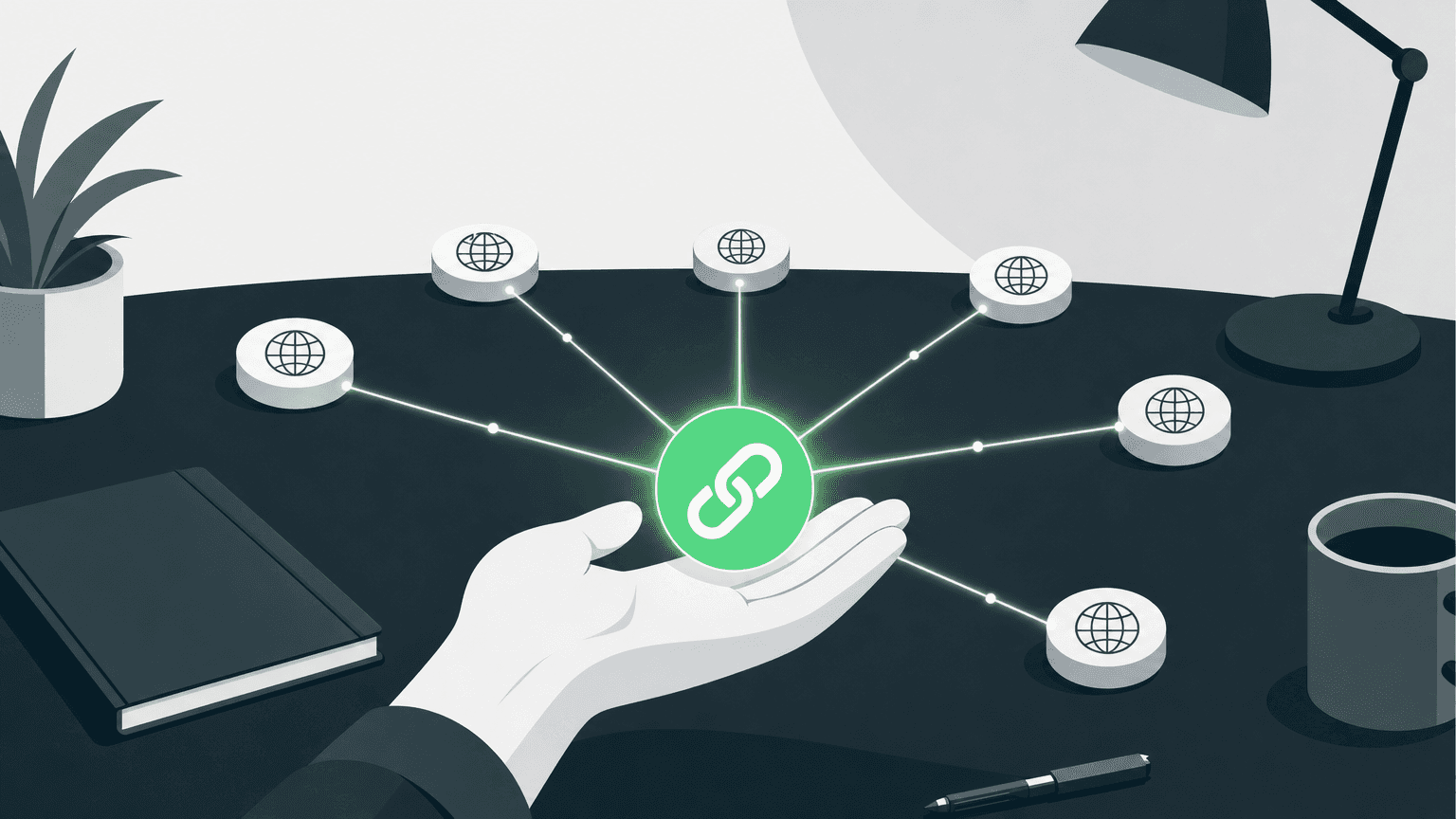
SaaS link building strategies are the deliberate tactics software companies use to earn backlinks from authoritative external sites, signaling trust and relevance to search engines. In a category defined by fierce competition and long sales cycles, organic search authority is often more cost-efficient than paid acquisition. AI Directories helps SaaS brands surface their tools in front of buyers already evaluating software, making directory placement one of the most direct routes to qualified backlinks.
What SaaS Link Building Actually Means
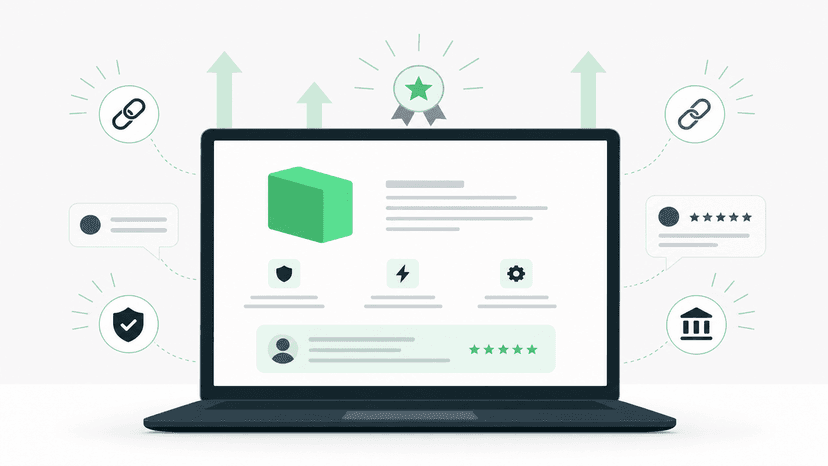
Link building for SaaS is the process of earning external pages that point to your product, pricing, comparison, and resource pages. Each backlink acts as a third-party endorsement. Google reads those endorsements as evidence that your content is credible enough to rank higher. The competitive baseline matters here: SaaS verticals are crowded, so the volume and quality of links needed to compete is higher than in most consumer categories, as our SEO resources on the blog outlines.
How Backlinks Function as Trust Signals
Google no longer treats links as raw votes. According to eLearning Industry's breakdown of SaaS link building, backlinks operate as vouchers of trust. Contextual relevance, placement inside topical content, and the linking page's own traffic now do more work than the raw domain count. A link from a niche CRM blog inside a relevant paragraph carries more weight than ten generic mentions. Treating every placement as a context bet, not a tally, is the foundation of any well-run SEO workflow.
Why SaaS Link Building Differs from Other Industries
SaaS sells on recurring revenue and long buyer consideration. That means a single ranking position can compound for years, not weeks. Most SaaS rivals are already investing in SEO, so a static backlink profile slips backward each quarter. The takeaway: SaaS teams should plan for sustained link velocity, not a one-off campaign, and treat directory placements like those surfaced on the tools index as a permanent channel.
Definition: Core Concepts Behind SaaS Link Building
Before picking tactics, lock down the vocabulary. The terms below get misused in vendor pitches, and getting them wrong wastes budget. A clear definition keeps the team arguing about strategy, not semantics, which is the entire point of a shared link building knowledge base.
Domain Rating vs. Link Relevance
Domain Rating (DR) is a third-party score of a site's overall backlink strength. It is useful as a filter but dangerous as a target. A DR 80 generic tech blog with no real traffic and no topical alignment can deliver less ranking impact than a DR 35 niche blog read by your buyers. Relevance, organic traffic, and editorial fit beat the DR number every time, which is why the directory submissions guide screens placements by audience first.
In plain English: DR tells you a site is strong on paper. Relevance tells you the link will actually move rankings. Filter on both.
Dofollow vs. Nofollow Backlinks
Dofollow links pass PageRank and directly influence rankings. Nofollow and sponsored tags signal a relationship to Google without passing full link equity, though they still drive referral traffic and brand exposure. Both belong in a healthy profile. Link velocity, the rate at which new backlinks land, should look natural. Sudden spikes from bulk outreach trigger algorithmic scrutiny, a point worth reviewing in the affiliates and partnership guide alongside any outreach plan.
How SaaS Link Building Works: The Core Mechanisms

There are three mechanisms that produce most of the links a serious SaaS earns in a given quarter. Mix them by stage and budget rather than picking one. A balanced rotation also keeps the profile diverse, which signals legitimacy to search engines, and pairs well with steady directory drops like Product Launchify.
Guest Posting and Content Contributions
Guest posting on topically relevant sites earns dofollow links while putting the brand in front of an audience already reading about the problem your software solves. The trick is to write for audience overlap, not DR. One placement on a blog your buyers actually read outperforms ten generic contributor posts. Tools like Preach help founders package recurring contributions into a publishing cadence.
Product-Led Linkable Assets
Free ROI calculators, templates, and industry benchmark reports attract organic links because they offer standalone utility. One documented case from Genesis Edge Marketing saw a free ROI calculator tied to a SaaS product earn 40+ organic backlinks within three months without active outreach. People link to utility, not opinions. A small tool built around a real workflow, similar in spirit to Apptimize, pays back for years.
Niche Edits and Link Insertions
Niche edits, the practice of inserting a link into an already-ranking page, deliver faster results than fresh guest posts because the host page already has traffic and index history. They work only when the existing content is genuinely relevant and the link fits the paragraph. Content partnerships with recurring publishers let SaaS teams skip cold outreach cycles and earn consistent placements, an approach baked into the MaxAEO outreach workflow.
Why SaaS Link Building Matters: Business Outcomes

Links sit upstream of every organic metric that matters to a SaaS P&L. They lift rankings, rankings lift sessions, sessions lift signups, and signups lift MRR. The companies that win this loop treat link acquisition as a permanent line item, not a quarterly burst, and bake it into their SEO operations stack.
Search Rankings and Organic Traffic
HubSpot grew from roughly 500,000 monthly organic visitors in 2015 to over 7 million within four years by investing heavily in content and backlink acquisition, according to LinkBuilder.io's published case study. Each ranking position gained on a competitive SaaS keyword can represent thousands of additional monthly visitors with no incremental ad spend. That compounding is why a tool like Rank Chat gets evaluated on how it accelerates ranking gains, not vanity metrics.
Brand Authority and Trust
Backlinks from respected industry publications transfer credibility to your domain. Prospective buyers researching tools tend to click through citations and references before they ever land on a sales page. A profile heavy on trusted referrers shortens that research loop, which is one reason SaaS founders also lean on curated lists such as the Wispra resource for repeatable exposure.
Lead Generation and Pipeline Impact
Organic traffic fed into a well-structured funnel converts into demos, trials, and paying subscribers. That makes link building a direct revenue lever, not a brand exercise. SaaS brands that do not build links cede ground to competitors who do, because links remain one of Google's strongest ranking signals alongside content and page experience. A pipeline-focused link plan often pairs with Stageflow's workflow templates to track downstream conversion.
Common Misconceptions About SaaS Link Building
A handful of stubborn myths still drive bad budget decisions. Clearing them up first saves quarters of wasted outreach. The list below mirrors the patterns commonly surfaced in link profile audits and directory submissions analysis.
Misconception: More Links Always Means Better Rankings
Reality: Fifty backlinks from generic tech blogs can underperform twelve links from SaaS-focused niche sites. Google weights contextual relevance over raw count. Volume targets without a relevance filter usually inflate cost per acquired link without moving rankings, which is why tools like Sharpshoot AI screen prospects on topical fit first.
Misconception: Any High-DR Site Is a Good Link Source
Reality: DR 80 sites with minimal real traffic and no topical alignment routinely deliver less impact than a well-trafficked, topic-specific DR 35 blog. Audit the linking page's organic traffic and category before paying. The Fokal audit workflow walks through this filter in practice.
Misconception: Link Building Is a One-Time Project
Reality: Competitors continuously earn new links, so a static backlink profile loses ground in rankings even without a penalty. Manual directory submissions and AI tool directories are often underutilized despite offering targeted referral traffic and relevant backlinks, a point the platform's blog returns to often.
How to Get Started with SaaS Link Building Today
You do not need a full agency engagement to start. The first 90 days should produce a baseline audit, three to five directory listings, and one or two recurring content partnerships. From there, layer in product-led assets and niche edits. The framework below pairs well with a consistent SEO cadence built around measurable weekly tasks.
- Audit your current backlink profile. Use Ahrefs or Semrush to pull existing links, identify gaps versus competitors, and flag toxic referrers worth disavowing.
- Prioritize tactics by stage and budget. Early-stage teams should lean on directory listings, tool review sites, and targeted guest posts before chasing digital PR, much like the workflow inside VoiceCheap.
- Submit to relevant directories and databases. Listings often produce referral traffic within days of approval, and the Stageflow alternatives index shows how dense category pages drive both backlinks and qualified clicks.
- Build 5 to 10 recurring content partnerships with publishers your target customers already read. Recurring slots compound and lower outreach cost per link over time.
- Track rankings and organic traffic monthly against your target keywords so link building activity ties back to revenue, as detailed in the SEO blog resources.
Frequently Asked Questions
What is SaaS link building and why does it matter?
SaaS link building is the practice of earning backlinks from relevant external sites to your product and content pages. It matters because links remain a primary ranking signal and drive compounding organic traffic in competitive software categories.
How many backlinks does a SaaS company need to rank on page one?
There is no universal number. A page may rank with 10 highly relevant links or need 200 in a saturated category. Audit the top three results for your target keyword and benchmark their referring domain count and topical relevance.
What is the difference between niche edits and guest posting for SaaS?
Niche edits insert your link into an existing, already-ranking page, which delivers faster results. Guest posts give you control over the narrative and surrounding content but take longer to rank and earn equity, so most teams mix both.
How do product-led linkable assets generate backlinks?
Free calculators, templates, and benchmark reports attract organic links because writers cite useful tools when covering related topics. Once an asset ranks for an informational query, it tends to accumulate links passively for months or years without active outreach.
Is submitting to AI and software directories worth it for link building?
Yes, when the directory is curated and topically relevant. Directories like the one behind this guide deliver referral traffic within days of approval and add contextual backlinks that reinforce category relevance for search engines.
How long does SaaS link building take to show results?
Expect early ranking movement within 60 to 90 days for low-competition keywords, and six to twelve months for competitive head terms. Niche edits and directory placements tend to move faster than guest posts because the host pages already have index history.
What makes a backlink high quality for a SaaS website?
Four factors: topical relevance to your category, real organic traffic on the linking page, contextual placement inside the body copy, and editorial content depth. Domain Rating is a useful filter but a poor standalone target.
Can small SaaS startups build links without a big budget?
Yes. Start with directory submissions, targeted guest posts on niche blogs, and one product-led asset such as a free calculator. These tactics produce relevant links at low cost and compound over time as your domain earns trust.
Conclusion
SaaS link building rewards founders who treat it as an ongoing operating discipline rather than a campaign. Audit first, mix mechanisms, and weight every placement on relevance before DR. Directories, niche edits, guest posts, and product-led assets each pull a different lever in the same machine. When you are ready to start placing your product in front of buyers actively searching for tools, the AI Directories platform is the simplest way to convert listings into qualified backlinks and referral traffic.