Building backlinks for a new website is one of the most important early SEO tasks you can tackle. Without inbound links, even well-written pages struggle to rank because search engines have little signal to trust your domain. This guide explains what backlinks are, why they matter for brand-new sites, and which acquisition methods give you the strongest foundation without waiting years for organic momentum. AI Directories covers the tools and strategies that support this work.
What Backlinks Are and Why They Matter for New Sites
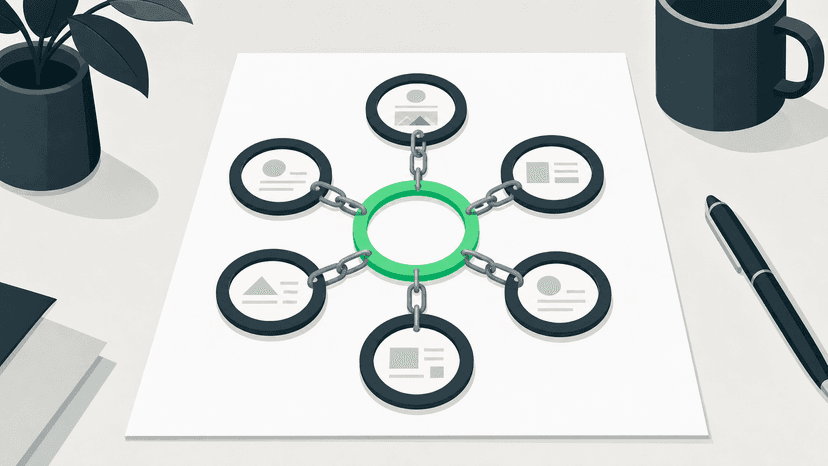
A backlink is just a hyperlink on another website pointing to yours. Search engines treat it as an editorial vote: someone else thought your page was worth referencing. Multiply that vote by a few dozen credible sources and you have something close to topical authority. This is the foundation behind every modern SEO strategy for new websites that actually compounds.
The basic definition
Think of a backlink as a recommendation in code. The linking page is saying, "this is worth a click." Google has used links as a core ranking signal since PageRank shipped, and that has not changed in 2026. What has changed is how much context around the link matters.
Why new sites face an authority gap
New domains start at zero trust. No history. No crawl signal. No editorial endorsements. Even a technically clean site with sharp content will sit invisible for months unless something external vouches for it. Closing that gap quickly is the whole point of an intentional link building plan.
How links influence AI search as well as Google
In 2026, backlinks also feed AI answers in ChatGPT, Perplexity, and Google AI Overviews. When credible sources mention you near a topic, large language models learn that association. Co-citations, where your brand sits next to authoritative names in the same paragraph, build topic associations even without a clickable link. The takeaway: links shape both blue-link rankings and AI-generated summaries, and getting listed across AI tool directories is one of the fastest ways to start that association loop.
What Makes a Backlink High Quality
Not every backlink helps. Some do nothing. A few actively hurt. The criteria below decide which is which, drawing on Semrush's 2026 backlink guide and field experience from operators shipping new sites.
Relevance and editorial context
Relevance now outweighs raw domain authority scores. A link from a small SEO blog to your SEO tool carries more weight than a link from a generic news site that has never covered your space. Editorial context matters too: a mention that explains what your product does converts better than a bare URL drop, which is one reason manual directory submissions still outperform mass-blasted ones.
Trust signals to look for
Look for real editorial standards, a genuine audience, and a low spam footprint. If the page exists only to host outbound links, walk away. Persistence is a second trust signal worth tracking: links from pages that stay live, get updated, and keep getting crawled deliver ongoing value. A solid link profile audit habit helps you catch decayed links before they drag down the average.
Link attributes: dofollow vs. nofollow
Dofollow links pass PageRank directly. Nofollow and sponsored attributes tell crawlers not to pass equity, but those links still drive referral traffic and brand awareness. A natural profile contains both. Anyone who tells you nofollow is worthless has not looked at referral analytics in five years. For the mechanics, see this breakdown of how dofollow attributes work in practice.
The Most Effective Backlink Tactics for a Brand-New Website

Below are the tactics that actually move the needle in the first 90 days. They are ranked by speed-to-link, not glamour. If you want a curated starting list of submission targets, the directory tools index covers most of the niche AI category.
Directory and listing submissions
Quality directories give you immediate, crawlable citations. They also establish baseline topical authority because the surrounding listings define your category for crawlers. A SaaS in the AI image space, for example, benefits from sitting alongside tools like SharpShoot AI in the same directory. That is co-citation working in your favor.
Media outreach and journalist platforms
Featured.com and Help a Reporter Out (HARO) connect sources with reporters writing for news outlets and niche blogs. You answer expert queries; if the journalist uses your quote, you earn a link. It is free, it scales, and the only real cost is time. Pair it with a tight pitch template and track responses in the same sheet you use for monthly SEO planning.
Guest posting and content contributions
Guest posting on relevant publications builds links and generates co-citations alongside established brands in your space, a pattern Backlinko's 2026 strategy guide calls out explicitly. Avoid sites that publish anything for a fee. Stick to publications with real editorial calendars and real readers, and use the platform's blog as a model for the kind of niche depth editors accept.
Broken-link and resource-page building
Broken-link building means finding dead resource links on relevant pages, then offering your content as the replacement. Publishers get a free fix; you get a contextual link. The same logic applies to unlinked brand mentions: if a site already names you without a link, a short ask usually closes it. These conversions are some of the fastest wins on the link building tactics list.
How to Prioritize Link Building When Your Domain Is New
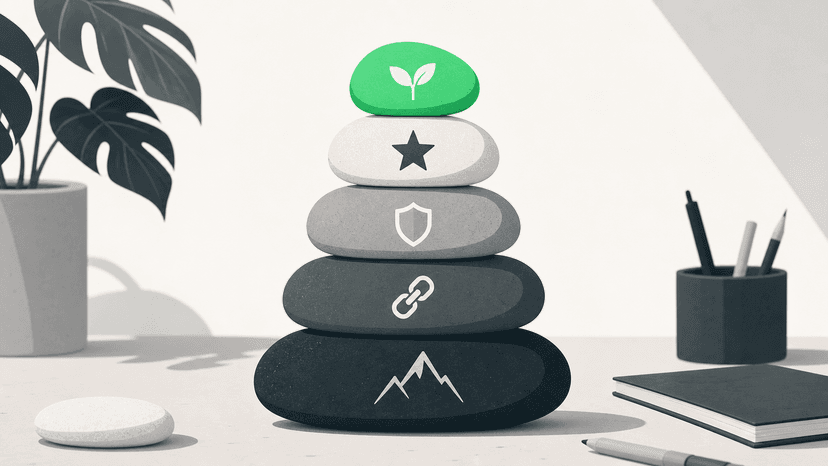
The temptation with new sites is to chase the biggest possible domain. Skip that. Stack obtainable wins first, then graduate.
Start with low-competition, high-relevance sources
Directories, niche communities, partner pages, and small industry blogs have lower editorial barriers than major publications. They also tend to be more topically relevant, which now counts for more than DR score. A focused push through niche AI directories usually delivers the first 10 links faster than any cold outreach campaign.
Build a realistic acquisition timeline
A realistic early target is 10 to 20 quality links in the first three months. Volume above that risks looking unnatural for a domain with no history. Focus on relevance over count to stay clear of spam filters. If you need a cadence to follow, this monthly SEO planning resource maps tasks against weekly capacity.
Track progress without vanity metrics
Track linking root domains, not raw link count. Five links from one site add diminishing returns; five links from five different sites move the needle. Competitor backlink analysis surfaces realistic targets: if a competitor earned a link from a given resource page, that page is a warm prospect for you. Avoid link schemes, paid link networks, and PBNs entirely. Google's spam policies penalize them, and young domains have no trust buffer to absorb the hit, which makes automated SEO monitoring workflows safer than any shortcut.
Common Misconceptions About Backlinks for New Websites
A few myths still circulate. Each one wastes time or active budget.
Misconception: More links always equals better rankings
A small number of relevant, high-trust links consistently outperforms a large volume of low-quality links. Spammy bursts trigger manual penalties. Quality beats quantity, and the link quality criteria above are the lens to apply before you accept any link.
Misconception: Any directory link is spammy
Reputable niche directories, including curated AI tool directories and industry-specific listings, provide legitimate citations that help search engines categorize a new domain. The spam concern applies to auto-generated link farms, not to editorially reviewed lists like the curated directory listing index.
Misconception: You need to wait before building links
Waiting until your site is "established" delays the trust signals Google needs to rank you in the first place. Start on or near launch day. Nofollow links are not worthless either: they contribute to a natural link profile, drive referral visitors, and generate co-citations that influence AI search answers. Exact-match anchor text manipulation is the other outdated tactic, replaced by natural, varied anchors that match how real editors write, as covered in this directory submission breakdown.
Building a Sustainable Link Profile Over Time
The early sprint matters. The next twelve months matter more.
Content assets that attract natural links
Data-driven content, original research, and free tools earn the most passive editorial backlinks at scale. Resource pages, roundup posts, and statistics compilations are natural link targets because other writers cite them when making factual claims. If you can publish one citable asset per quarter, the compounding effect on organic traffic shows up by month nine.
Maintaining and auditing your link profile
Regular link audits surface lost links, toxic links worth disavowing, and new unlinked brand mentions ready to convert. Diversify across directories, press, guest content, forums, and podcast show notes; AI systems read that multi-channel presence as authoritative. Consistency beats volume bursts every time, and tools that automate the boring parts of monitoring, like AI-powered SEO platforms, keep the cadence honest.
Frequently Asked Questions
How many backlinks does a new website need to start ranking?
There is no fixed number, but 10 to 20 relevant links in the first three months is a realistic baseline for most niches. Quality and topical fit matter more than raw count when you are starting from zero domain trust.
How long does it take for backlinks to affect rankings?
Most backlinks take four to twelve weeks to influence rankings, depending on how often Google crawls the linking page and how competitive your target keywords are. AI search citations can appear faster, sometimes within days of indexation.
Are free backlinks worth it for a new website?
Yes, provided they come from relevant, editorially reviewed sources like niche directories, journalist platforms, and guest contributions. Paid link networks are a different category and carry real penalty risk, especially for domains with no trust history.
What is the difference between a dofollow and nofollow backlink?
Dofollow links pass ranking equity to your site; nofollow links do not, but they still drive referral traffic, support brand awareness, and contribute to a natural-looking link profile that search engines expect to see on legitimate sites.
Can I build backlinks before my website has content?
You can register directory listings and reserve profiles, but most editorial links require a useful destination to point at. Publish at least a homepage, an about page, and two or three substantial articles before serious outreach.
Do AI directories count as quality backlinks?
Reputable AI directories count as legitimate citations and help search engines categorize your domain. A curated, editorially reviewed directory listing is one example of a source that also surfaces your brand to category-specific buyers.
What types of backlinks should I avoid for a new site?
Avoid private blog networks, paid link schemes, comment spam, and any directory that lists thousands of unrelated sites. These trigger Google spam filters quickly, and new domains have no trust buffer to absorb a manual action.
How do I get my first backlink when nobody knows my site yet?
Submit to two or three relevant niche directories, answer one or two journalist queries, and ask any partner, customer, or supplier with a website to mention you. That sequence usually produces the first five links within two weeks.
Conclusion
Backlinks remain the fastest way to teach search engines and AI models who you are and what you cover. For a new site, the playbook is straightforward: prioritize relevance, start with obtainable directory and outreach wins, track linking root domains instead of raw counts, and keep a steady cadence rather than chasing volume bursts. The brands that compound their authority do the same boring things every month. If you want a head start on the directory layer, AI Directories maintains the kind of curated listings that count.