Most B2B sites don’t struggle with content, they struggle with authority. And authority is powered by one thing: the right backlinks.
But here’s the problem. Many founders still ask: Where do high-quality do-follow backlinks actually come from? And more importantly, how do you get them without begging, spamming, or burning time you don’t have?
This guide breaks everything into simple, realistic steps. No hacks. No theory. Just practical strategies you can start using today to build real authority and move your rankings.
What You’ll Need
- A basic SEO tool (Ahrefs, Semrush, Moz, or free tools like SEOmatic / Seobility)
- A list of your top 3–5 competitors
- A clean landing page or homepage ready for backlinks
- An account at AI Directories to submit your SaaS to 100+ trusted directories
- A simple outreach email template
- A place to store backlink leads (Google Sheet, Notion, CRM — anything works)
Step 1: Understand What Makes a Dofollow Backlink Valuable
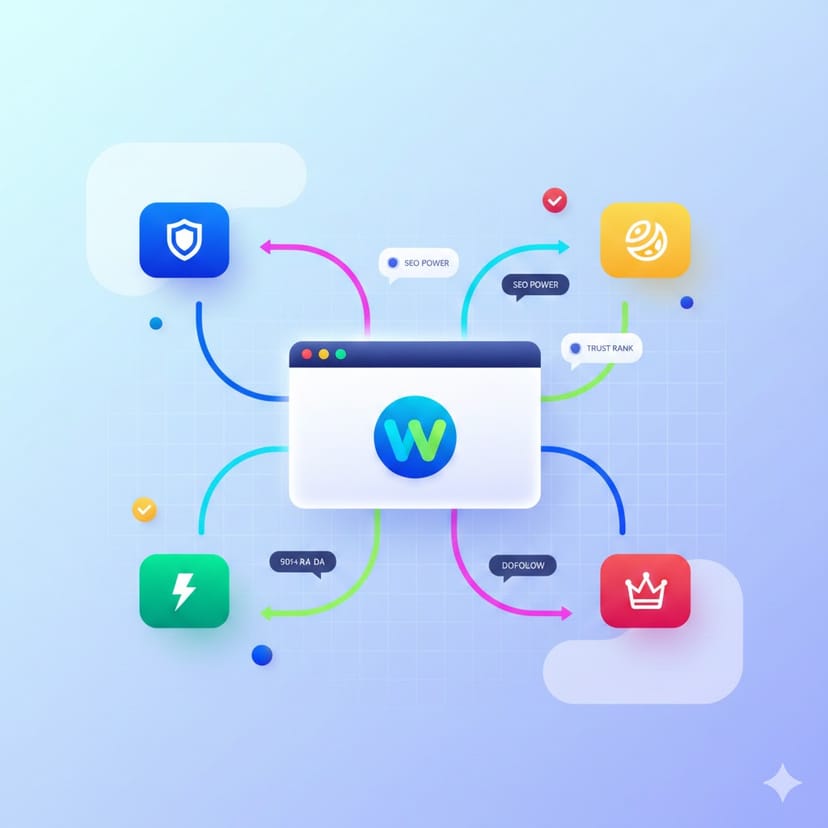
A do-follow link passes PageRank, meaning Google uses it as a signal that your site is trustworthy. Nofollow links aren’t useless, but they don’t carry the same ranking weight.
A good dofollow link usually has three qualities:
- High DR (domain rating) so the authority actually transfers
- Relevance, meaning the site is in your industry or closely connected
- Real traffic, so the link can send actual users, not just “SEO value”
Google also pays attention to how the link is placed. A contextual link inside content is stronger than a footer or sidebar link.
Red flags to watch out for:
- Sites with thousands of outbound links per page
- Blog networks or obvious link farms
- Pages that aren’t indexed
- Automated link placement footprints
If a link looks too easy or too cheap, it’s probably risky.
Step 2: Research Competitor Backlinks to Find Proven Opportunities
Your best backlink opportunities usually come from one place: competitors who already rank.
Use any backlink tool you like — even free ones — and look at the following:
- Where competitors get recurring backlinks
- Which directories, blogs, podcasts, or roundups frequently feature them
- Which of those links are dofollow
- What patterns repeat across multiple competitors
Create a shortlist of only the replicable links. These tend to fall into categories like:
- Directories
- Review sites
- Company roundups
- Guest posts
- Podcast guestings
- Integration pages
This turns backlink strategy from guessing into copying what already works.
Step 3: Submit Your Company to High-Quality Directories and Resource Lists
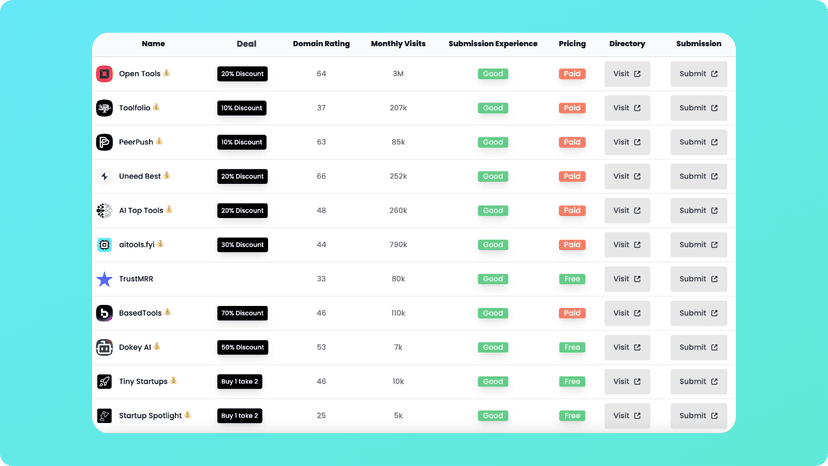
Directories are one of the easiest ways to secure safe, consistent dofollow links. But quality varies a lot, so choosing the right ones is key.
Good directories usually have:
- DR 20+
- Active indexing in Google
- Clean outbound link patterns (not hundreds per page)
- A real audience — not just SEO value
Submitting manually can take hours, which is why many founders use AI Directories. It submits your tool to 100+ vetted directories for you, including a mix of:
- SaaS directories
- AI tool directories
- B2B marketplaces
- Founder communities
- Resource lists
Directory submission tips:
- Use the same brand name, description, and URL everywhere
- Add strong visuals when the directory allows it
- Avoid keyword stuffing — it makes listings look spammy
- Keep a list of where you submitted
- Update outdated listings when your product changes
A clean, consistent directory footprint helps both rankings and trust.
Step 4: Find Do-follow Backlinks Through Content-Driven Outreach
This is where you earn editorial links, often the strongest kind.
Outreach doesn’t have to be awkward or salesy. If you bring genuine value, editors want you in their content.
What you can pitch:
- Helpful, non-promotional blog contributions
- Expert comments for articles or roundups
- Data insights or benchmarks your company has access to
- Case studies or industry stories
- Podcast or webinar appearances
A simple, friendly pitch works best:
“Hey, I saw you’re writing about ___ — happy to share a short quote or data point if it helps the piece feel more complete.”
Data-driven content is especially powerful, because journalists and writers need credible numbers. If you publish reports, stats, or mini benchmarks, dofollow links often come naturally.
Step 5: Leverage Partnerships, Integrations & Community Hubs
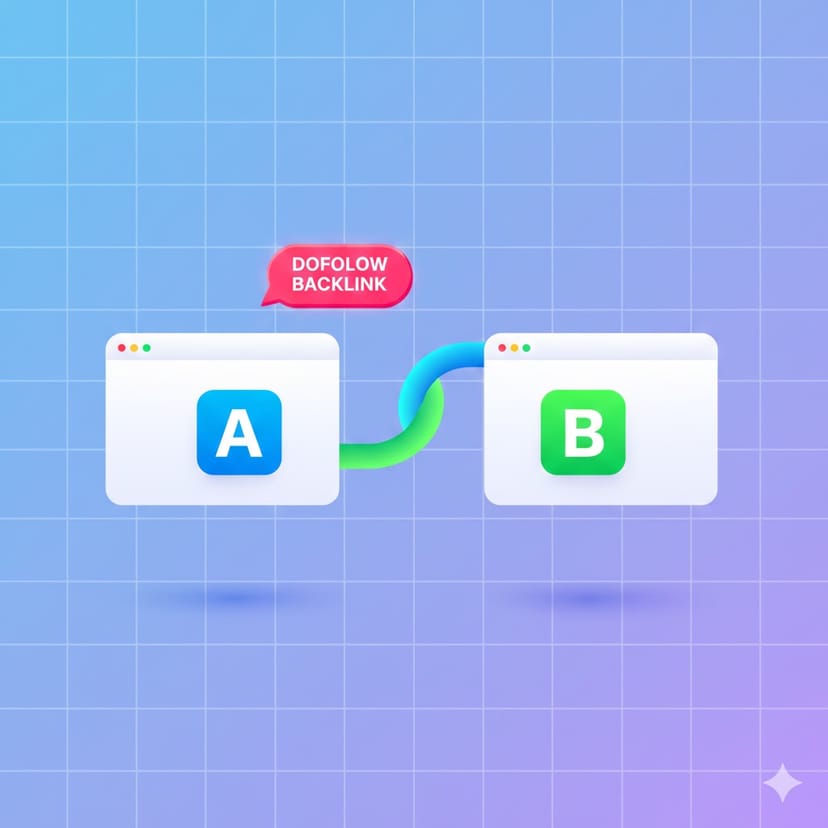
Partnership-based backlinks are some of the most trustworthy because they happen in real ecosystems — not SEO shortcuts.
Common partnership backlink types:
- Integration pages
- Co-marketing pages
- Co-hosted webinars
- API marketplace listings
- “Partner spotlight” features
- Customer testimonials
Most SaaS companies reward partners with do-follow links automatically. You just need to show up and collaborate.
If you already have customers who love you, offer them:
“Want to be featured as a customer story on our site?”
Most will say yes — and they'll often link back to you as well.
Step 6: Use Monitoring Tools to Capture New Backlink Opportunities Quickly
Backlinks are easier to replicate when you catch them early.
Monitoring tools can send alerts when:
- Competitors gain new dofollow links
- Someone mentions your brand without linking
- A new directory or roundup goes live
- A blogger publishes a list where your tool fits
Tools like Ahrefs Alerts, Semrush, Google Alerts, and simple backlink crawlers help you move fast.
This turns backlink building into a weekly habit instead of a guessing game.
Why Directory Submissions Matter
Directories give you predictable, safe do-follow backlinks — something that’s getting harder to earn organically. They help:
- Increase domain authority
- Strengthen relevance signals
- Boost early rankings for new domains
- Improve brand visibility across the web
They’re not your whole SEO strategy, but they’re a stable foundation.
How Directory Backlinks Help SEO
A strong directory backlink profile does a few things:
- Sends trust signals to Google
- Helps your brand show up in “entity” searches
- Improves your chances of being indexed quickly
- Reduces reliance on expensive blog-based link building
Think of directories as planting seeds across the internet.
The Fastest Way to List Your Tool on 100+ Directories
Submitting manually is slow.
Platforms like AI Directories automate the entire process — giving you:
- 100+ high-quality directory submissions
- Mostly do-follow links
- Consistent brand info across listings
- Faster indexing and early authority
It saves founders weeks of manual work.
Step-by-Step Walkthrough
- Gather your assets: logo, screenshots, descriptions
- Identify competitors and note which directories they appear in
- Submit to the top 100+ trusted directories via AI Directories
- Track live links as they’re indexed
- Supplement with manual high-value opportunities (podcasts, roundups, partners)
This creates a clean, balanced backlink footprint.
Common Mistakes
- Submitting inconsistent descriptions
- Using low-quality or spammy directories
- Ignoring nofollow/do-follow patterns
- Forgetting to update old listings
- Writing descriptions stuffed with keywords
- Not tracking submissions or live links
A small amount of structure avoids big headaches later.
Bonus Tips
- Create a “Stats” or “Benchmarks” page — journalists love linking to numbers
- Publish comparison pages (e.g., “Tool A vs Tool B”) — these earn natural links
- Give testimonials to companies you genuinely use — most will give you a dofollow backlink
- Join communities where your ICP hangs out — many have “tools” sections
- Set monthly backlink alerts — don’t let competitors get free links you could replicate
Conclusion
You now have a clear, simple framework for finding dofollow backlinks — without chasing hacks or burning time. You’ve gone from guessing where links come from to having a repeatable process: analyze competitors, submit to trusted directories, run smart outreach, create partnerships, and monitor opportunities as they appear.
If you want a fast start, submit your SaaS to 100+ vetted directories using AI Directories and build early authority while you work on the bigger strategies.
You're ready, start putting backlinks to work for you.