Introduction
Launching a startup is thrilling new ideas, big energy, all the possibility. But if people can’t find you, even great products get ignored. Most online journeys begin with a search. That’s why SEO isn’t a nice to have; it’s a core growth lever.
Think of SEO as compounding interest for your brand. Every optimized page, helpful article, and fast loading site element adds up. While paid ads stop the moment you pause, SEO keeps working, bringing in customers day and night. And yes, it’s accessible even for lean teams.
This guide gives you the essentials: what startup SEO is, why it matters, and exactly how to do it. You’ll learn the principles that move the needle, simple quick wins, tools you can use on a tight budget, and mistakes to avoid. We’ll also cover local SEO for small shops, e commerce specifics, and how to measure results so you can prioritize the right work.
You don’t need a huge budget or a full time specialist to make progress. You need clarity, consistency, and a smart plan. Let’s help search engines understand your value so your ideal customers can discover it.
What You’ll Need (Recommended)
- A CMS you can edit (e.g., WordPress, Webflow, Shopify)
- Access to analytics (Google Analytics 4) and Search Console
- Keyword research tools (Google Keyword Planner, AnswerThePublic, AlsoAsked)
- Site performance tools (PageSpeed Insights, Lighthouse)
- Basic schema/SEO plugins (Yoast SEO, Rank Math, SEOPress)
- A free Canva account (for visuals, thumbnails, social assets)
- Client service AI Directories: submit your service to https://aidirectori.es/ to list on 100+ directories and earn authoritative citations/backlinks
- A simple content calendar (Google Sheets/Notion)
- Optional: A lightweight link tracking sheet
What Is Startup SEO and Why It Matters
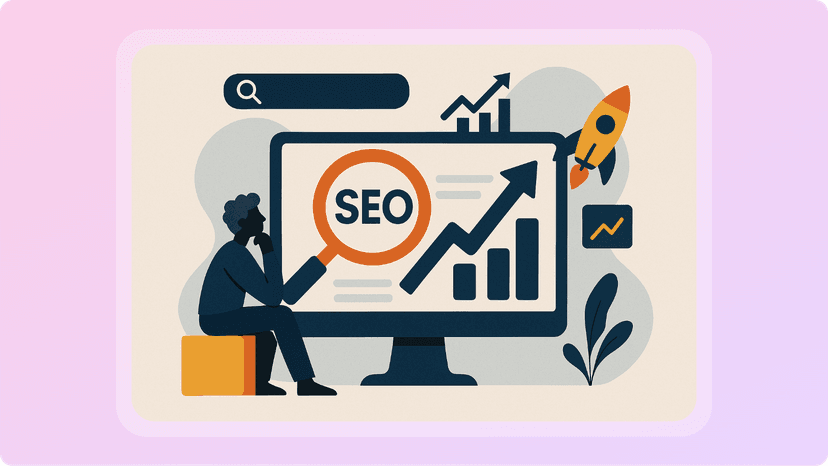
Startup SEO is all about making your business discoverable online without relying solely on paid ads. Think of it as planting seeds that grow into long term visibility. For a new venture, every click counts and organic search brings people who are actively looking for what you offer. Paid ads can give quick wins, but they stop when your budget does. SEO, on the other hand, builds authority and trust over time. It’s not just about ranking higher; it’s about creating a sustainable growth engine that keeps working for you, even while you sleep.
- Brand visibility & organic growth: SEO helps you appear when people actively search for solutions you provide. That intent is powerful.
- Paid ads aren’t enough: Ads can be great, but they’re rented attention. SEO builds owned visibility that compounds over time.
- Long term sustainability: When you ship helpful content and a fast, reliable site, you’re building equity. Rankings and trust grow together.
- Example: A local meal prep startup publishes weekly “high protein lunch ideas” guides. Within months, they start ranking for long tail searches and picking recurring customers without buying every click.
The Core Principles of SEO for Startups
SEO isn’t magic, it’s a mix of strategy and consistency. Start with keyword research to understand what your audience is searching for. Then, optimize your pages with clear titles, meta descriptions, and helpful content. Technical SEO matters too: fast loading times, mobile friendly design, and secure HTTPS are non negotiable. Finally, never underestimate user experience. A slow, clunky site will send visitors running. When you combine these principles, you create a foundation that search engines love and customers trust. It’s the groundwork for everything else you’ll do in SEO.
- Keyword research basics: Find “high intent” phrases customers use (e.g., “best project management tool for freelancers”). Favor long tails with clearer intent and lower competition.
- On page optimization: Use descriptive titles, headers (H1–H3), clean URLs, and concise meta descriptions. Answer the query fast, then go deeper.
- Technical SEO fundamentals: Fast load times, mobile friendly design, secure HTTPS, crawlable structure, and proper indexing.
- User experience & site speed: Prioritize clarity, scannable content, readable design, and quick responses. Good UX keeps people engaged and signals quality.
How SEO Drives Startup Growth
SEO is more than traffic, it's about attracting the right people at the right time. When someone searches for a solution you provide, that’s intent you can’t buy with ads alone. Organic traffic often delivers better ROI because it compounds over time. Each optimized page becomes a magnet for new customers, building trust and authority as you climb the rankings. For startups, this means lower acquisition costs and a steady stream of leads without burning through ad budgets. Done right, SEO turns your website into a growth engine that scales with you.
- Organic vs. paid ROI: Organic traffic can become your lowest CAC channel over time. Paid is instant, organic is enduring.
- Customer acquisition: Search meets users at the moment of need. If you match intent, you win qualified visits.
- Trust & authority: Rankings and helpful content build credibility. Reviews, case studies, and expert explainers reinforce it.
- Real world wins: Many startups scale by consistently publishing useful, optimized content and building relevant links not by chasing hacks.
Startup SEO vs. Paid Advertising: Which Wins?
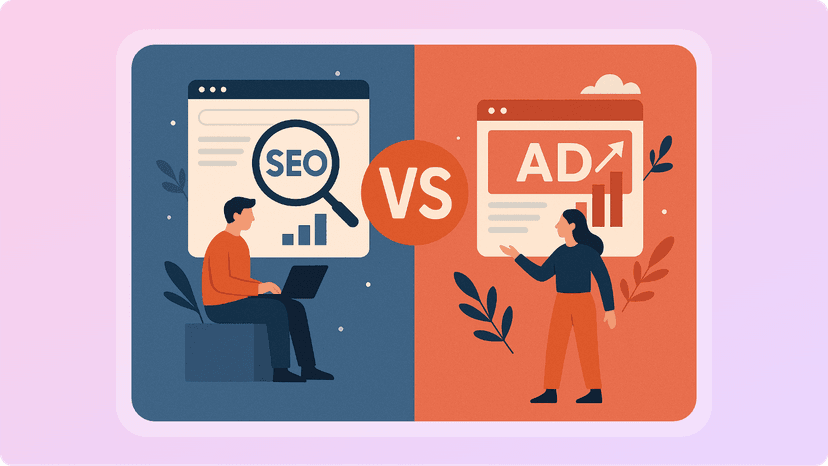
Paid ads are like renting a billboard. You get visibility fast, but only as long as you pay. SEO is more like owning property; it takes time to build, but the benefits last. PPC can be great for quick wins or testing messaging, while SEO delivers compounding returns that strengthen your brand over time. The smartest approach? Use both strategically. Let ads fill gaps while your SEO foundation grows. Over time, you’ll spend less on ads and rely more on organic traffic that costs nothing per click.
- Cost overtime: PPC offers speed but scales cost linearly. SEO takes effort upfront, then compounds without line item ad spend.
- Pros & cons:
- SEO: Sustainable, trust building, compounding. Slower ramp.
- PPC: Immediate, controllable, test friendly. Stops when the budget stops.
- Hybrid strategy: Use PPC to test messaging and landing pages while SEO builds a moat.
- Compounding returns: Every optimized page becomes a durable asset in your growth stack.
7 Startup SEO Tips for Quick Wins
SEO doesn’t have to take forever. Start with local optimization, claim your Google Business Profile and keep your details consistent. Next, create content that answers real questions your audience asks. Make sure your site loads fast and looks great on mobile; Google prioritizes mobile first indexing. Build authority by earning backlinks through collaborations and directory listings. These quick wins don’t require huge budgets, but they make a big difference in visibility. Think of them as the low hanging fruit that sets you up for bigger SEO success.
Step 1: Optimize for Local Search
Start by creating and connecting Google Search Console and Google Analytics 4. These tools give you visibility into how your site performs in search and how users interact with it. Submit your XML sitemap to help Google index your pages faster. Avoid skipping property verification ensures accurate data tracking. Once set up, you’ll have a baseline for monitoring traffic, keywords, and technical health, which is essential for making informed SEO decisions.
- Actions to take: Claim/complete Google Business Profile, add NAP (Name, Address, Phone), hours, categories, photos, and FAQs.
- Mistakes to avoid: Inconsistent NAP, sparse profiles, ignoring Q&A and reviews.
- Tools/settings: Google Business Profile, aidirectori.es for citations, Local Falcon for visibility tracking.
- Expected result: Better local pack visibility, more calls and foot traffic.
- Visual aids: Screenshot of a fully optimized profile; checklist for NAP consistency.
Step 2: Create High Quality, Keyword Rich Content
Google uses mobile first indexing, meaning your mobile site is the primary version for ranking. Ensure your design is responsive and that all critical content is accessible on mobile not hidden behind tabs or missing entirely. Test your site using Google’s Mobile Friendly Test and Page Speed Insights. A smooth mobile experience improves engagement and signals quality to search engines. This step is crucial because most searches happen on mobile devices, and poor mobile UX can cost you rankings and conversions.
- Actions to take: Publish guides, comparisons, FAQs, and case studies that answer real queries.
- Mistakes to avoid: Keyword stuffing, thin content, publishing without a point of view.
- Tools/settings: Keyword Planner, AnswerThePublic; use H2/H3 structure and internal links.
- Expected result: Rankings for long tail queries, more qualified sessions.
- Visual aids: Outline template; before/after example of an optimized article.
Step 3: Leverage Social Signals and Backlinks
Core Web Vitals measure how fast and stable your site feels to users. Focus on three metrics: Largest Contentful Paint (LCP), Interaction to Next Paint (INP), and Cumulative Layout Shift (CLS). Compress images, enable caching, and stabilize layouts to improve scores. Use Google’s PageSpeed Insights and Search Console reports to track progress. A site that loads quickly and feels responsive not only ranks better but also keeps visitors engaged, reducing bounce rates and boosting conversions.
- Actions to take: Share content on social, pitch guest posts, join relevant communities, and list on aidirectori.es for industry directories.
- Mistakes to avoid: Buying links, irrelevant spammy directories, no follow only profile links.
- Tools/settings: HARO/Connectively, Hunter.io for outreach, Ahrefs/SE Ranking for link tracking.
- Expected result: Better authority, faster indexing, referral traffic.
- Visual aids: Outreach email template; backlink tracking sheet.
Step 4: Mobile First Design and Speed Optimization
Keyword research is the foundation of SEO. Start by identifying what your audience searches for and group terms by intent informational, commercial, or transactional. Use tools like Google Keyword Planner for volume and Ahrefs for difficulty. Avoid chasing high volume keywords that are too competitive; instead, target long tail phrases with clear intent. This approach ensures your content attracts visitors who are ready to engage or buy, making your SEO efforts more effective and measurable.
- Actions to take: Use responsive layouts, compress images, lazy load media, reduce JS/CSS bloat.
- Mistakes to avoid: Heavy sliders, oversized hero videos, render blocking resources.
- Tools/settings: PageSpeed Insights, Lighthouse, WebP images, CSS minification.
- Expected result: Higher engagement, improved Core Web Vitals, stronger rankings.
- Visual aids: Core Web Vitals dashboard; page speed before/after chart.
Step 5: Fix Technical Basics
Focus on your most important pages: homepage, product/service pages, and key blog posts. Write clear, keyword rich titles and meta descriptions that entice clicks. Structure content with headers, add internal links, and include FAQs for extra relevance. Avoid keyword stuffing; prioritize readability and value. Use an SEO plugin to streamline optimization. These pages will become your traffic magnets, driving visitors deeper into your site and converting them into customers.
- Actions to take: Ensure HTTPS, clean sitemaps, robots.txt, canonical tags, and remove crawl traps.
- Mistakes to avoid: Duplicate pages, broken links, orphan content.
- Tools/settings: Search Console Coverage/Pages, Screaming Frog or Sitebulb.
- Expected result: Fewer errors, better crawl efficiency, consistent indexing.
- Visual aids: Technical audit checklist.
Step 6: Strengthen Internal Linking
Structured data helps search engines understand your content and display rich results like ratings, prices, and FAQs. Add JSON-LD markup for products, articles, and organization details. Validate your code using Google’s Rich Results Test to avoid errors. Don’t markup content that isn’t visible to users, it can lead to penalties. When done right, structured data improves click through rates and makes your listings stand out in crowded search results.
- Actions to take: Link related posts, hub and spoke structures, and descriptive anchor text.
- Mistakes to avoid: Generic “click here,” linking only to homepage, deep pages with no inbound links.
- Tools/settings: CMS search, internal link plugins, content inventory spreadsheet.
- Expected result: Improved topical authority, more pages ranking.
- Visual aids: Hub diagram showing pillar page with spokes.
Step 7: Add Structured Data (Schema)
If you serve a local market, optimize your Google Business Profile with accurate details, photos, and regular updates. Keep your name, address, and phone number consistent across all directories. Submit your business to reputable listings and platforms like aidirectori.es for extra visibility. Encourage satisfied customers to leave reviews, they boost trust and rankings. These steps help you dominate local search and attract customers who are ready to buy.
- Actions to take: Implement FAQ, Product, Article, Organization, and Local Business scheme where relevant.
- Mistakes to avoid: Invalid markup, stuffing irrelevant schema, forgetting to test.
- Tools/settings: Schema.org, Rich Results Test, SEO plugins (Yoast/Rank Math).
- Expected result: Rich results (stars, FAQs), higher CTR.
- Visual aids: Example of SERP with rich snippets; schema snippet screenshot.
Step Summary Table
| Step | Focus | Mini Outcome | Key Tool |
|---|---|---|---|
| 1 | Local search | Appear in local pack | Google Business Profile |
| 2 | Keyword content | Target long tail intents | Keyword Planner |
| 3 | Social & backlinks | Authority + indexing | aidirectori.es, Ahrefs |
| 4 | Mobile & speed | Better UX & vitals | PageSpeed Insights |
| 5 | Technical basics | Clean crawl/indexing | Search Console |
| 6 | Internal links | Stronger topic signals | CMS, plugins |
| 7 | Schema | Rich results & CTR | Rich Results Test |
Essential SEO Tools Every Startup Needs
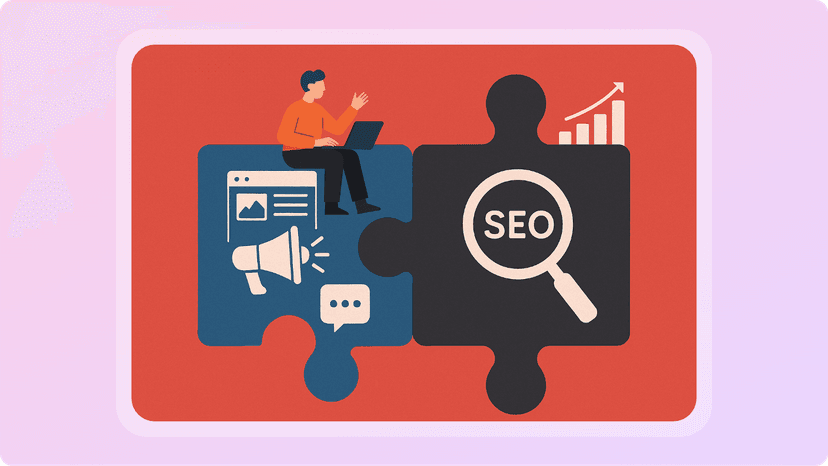
You don’t need a massive tech stack to start SEO. Begin with free tools like Google Search Console and Analytics to track performance. For keyword research, Google Keyword Planner is a solid start, and tools like Ahrefs or Semrush can give deeper insights if your budget allows. Page speed tools like PageSpeed Insights help you stay on top of performance. For competitor analysis, even a simple look at their content and backlinks can reveal opportunities. These tools make SEO manageable for lean teams without breaking the bank.
- Keyword research: Google Keyword Planner, AnswerThePublic, AlsoAsked, Ahrefs/SE Ranking (budget friendly).
- Analytics & tracking: Google Analytics 4, Search Console, Looker Studio for dashboards.
- Competitor analysis: Ahrefs, Semrush, Similarweb; watch keywords, links, and content angles.
- Affordable automation: Zapier (content ops), Screaming Frog (site audits), Bulk upload tools for metadata.
- Directories: aidirectori.es to submit AI or service listings across 100+ directories for citations and discoverability.
Building a Minimal Tech Stack for SEO
Your tech stack should be simple but effective. Choose an SEO friendly CMS like WordPress, Webflow, or Shopify. Add essential plugins for sitemaps, structured data, and caching to keep your site fast and optimized. Hosting matters to pick a provider that prioritizes speed and up time. If you’re on a tight budget, start with free tools and scale as you grow. The goal is to create a setup that supports SEO without overwhelming your team or draining resources. A lean, well chosen stack can take you far.
Content Marketing and SEO: The Perfect Pair
Content is the fuel that powers SEO. Blogs, guides, and resources help you rank for keywords and build trust with your audience. Focus on evergreen topics that stay relevant over time, and weave storytelling into your posts to keep readers engaged. Repurpose content across channels turns a blog into a LinkedIn post, a short video, or an email newsletter. When content and SEO work together, you attract visitors, nurture leads, and create a brand voice that stands out. It’s not just about ranking, it’s about connecting.
- Why blogs matter: They capture long tail queries, educate buyers, and build topical authority.
- Evergreen content: “How to” guides, FAQs, comparison pages, glossaries content that stays useful.
- Storytelling: Use customer problems, mini case studies, and practical examples to make content stick.
- Repurposing: Turn posts into carousels, email tips, short videos, LinkedIn posts, and downloadable PDFs.
Link Building Strategies for Startups
Links are like votes of confidence for your site. The more quality links you earn, the more search engines trust you. Start with guest posts and collaborations in your industry. Submit your business to reputable directories and build relationships that lead to organic backlinks. Avoid shortcuts like buying links, they can hurt more than help. Instead, focus on creating content worth sharing original research, helpful guides, or tools. Link building takes effort, but it’s one of the most powerful ways to boost authority and rankings.
- Guest posts & collaborations: Contribute expert content to relevant sites, podcasts, and newsletters.
- Industry directories: Submit to reputable directories (especially aidirectori.es for AI/service listings).
- Relationships: Build genuine partnerships with creators, communities, and local organizations.
- Avoid black hat: No link farms, paid link schemes, or irrelevant spam. Quality beats quantity.
Local SEO for Small Businesses and Shops
If you serve a local market, local SEO is your secret weapon. Optimize your Google Business Profile with accurate details, photos, and regular updates. Keep your name, address, and phone number consistent across all directories. Encourage happy customers to leave reviews, they’re a big trust signal. Use geo targeted keywords in your content to show up in local searches. These steps help you appear in the Local Pack, where customers are ready to buy. For small businesses, local SEO can be the difference between being found and being forgotten.
- Google Business Profile: Complete details, post updates, answer Q&A, and showcase products/services.
- Local citations & directories: Consistent NAP across major listings; add niche/local directories.
- Reviews & reputation: Ask happy customers for reviews, respond to feedback, highlight testimonials.
- Geo targeted keywords: Add location modifiers (e.g., “plumber in Makati”) in titles, headers, and content.
SEO for E commerce Startups
E commerce SEO is all about making your products easy to find. Optimize product pages with clear titles, unique descriptions, and fast loading images. Add schema markup so your listings show rich details like price and ratings in search results. Watch out for duplicate content and use canonical tags to keep things clean. Navigation matters too; make it simple for shoppers to browse and buy. When your store is optimized for search, you attract buyers who are ready to purchase, not just browse.
- Product pages: Unique descriptions, high quality images, reviews, and clear benefits.
- Schema: Product, Offer, Review, and Breadcrumbs for rich results.
- Duplicate content: Use canonical tags, handle variant URLs, and avoid thin copy.
- Navigation & UX: Intuitive categories, filters, search, and fast checkout.
Common SEO Mistakes Startups Make
SEO mistakes can cost you visibility and trust. One big error? Ignoring technical SEO slow sites and broken links hurt rankings. Keyword stuffing is another trap; it makes content unreadable and signals spam to search engines. Neglecting mobile optimization is a deal breaker since Google indexes mobile first. And failing to track results means you’re flying blind. Avoid these pitfalls by focusing on quality content, solid technical health, and consistent measurement. A little attention now saves big headaches later.
- Ignoring technical SEO: Slow sites and crawl issues quietly kill growth.
- Keyword stuffing: Hurts readability and trust. Write for humans first.
- Neglecting mobile: Most traffic is mobile optimize design and speed.
- Not measuring: Without tracking, you can’t prioritize or prove ROI.
Measuring SEO Success: Key Metrics
SEO isn’t a guessing game; you need data. Start with organic traffic growth in Google Analytics. Track keyword rankings and impressions in Search Console to see what’s working. Measure conversions from organic search, whether that’s signups, purchases, or demo requests. Finally, calculate ROI by comparing your SEO investment to the leads and revenue it generates. These metrics show whether your efforts are paying off and where to adjust. When you measure, you can improve and that’s how SEO becomes a growth engine.
- Organic traffic growth: Sessions, new users, landing pages that drive it.
- Keyword rankings & visibility: Movement for target terms; impression trends.
- Conversions from organic: Leads, trials, purchases tie content to outcomes.
- ROI & long term impact: CAC by channel, LTV, assisted conversions, content efficiency over time.
Scaling SEO as Your Startup Grows
As your startup grows, so should your SEO strategy. First, you can handle the basics in house. But when content needs multiply and technical challenges arise, consider hiring an SEO specialist. Automate repetitive tasks like audits and reporting to save time. Expand your content strategy into new topics and formats and plan for international SEO if you’re going global. Scaling isn’t about doing everything at once, it's about building on what works and adding resources where they’ll make the biggest impact.
- Hire an SEO specialist: When backlog is constant or stakes are high, bring in expertise.
- Automate repetitive tasks: Reporting, internal link suggestions, metadata updates.
- Expand content strategy: New formats, deeper guides, programmatic pages (where appropriate).
- International SEO: Hreflang, localization, market specific keywords and content.
SEO Trends Startups Should Watch
SEO evolves fast, and staying ahead matters. Voice search is growing, so optimize for conversational queries. AI driven content tools can speed up workflows, but human editing is key for quality. Google’s Core Web Vitals and UX signals remain important fast, stable pages win. Video SEO is another big opportunity, especially short form content for platforms like YouTube and TikTok. Keep an eye on these trends and adapt early. The startups that embrace change don’t just survive.
- Voice search: Natural language queries, FAQ content, concise answers.
- AI driven content & personalization: Use AI to ideate; keep human editing and E-E-A-T standards.
- Core Web Vitals & UX signals: Speed, stability, responsiveness directly impact engagement.
- Video & short form: Optimize titles, descriptions, chapters; embed strategically on pages with context.
Budgeting for SEO: What Startups Need to Know
SEO doesn’t have to drain your budget. Start with free tools like Google Search Console and Analytics. Outsource audits or technical fixes if needed but keep content creation in house for authenticity. Paid tools and agencies can help later but focus on cost effective strategies first: optimize existing pages, build local presence, and create evergreen content. Remember, SEO is a long term investment. It may take months to see results, but the payoff compounds over time unlike ads that stop the moment you pause spending.
- Free vs. paid tools: Start free; add paid only where ROI is clear (e.g., Ahrefs for competitive niches).
- Outsourcing vs. in house: Contract audits and specialized projects; keep content ops internal if possible.
- Cost effective strategies: Focus on pages with commercial intent and evergreen topics.
- Long term planning: Set quarterly goals, track progress, and reinvest in what works.
Creating an SEO Roadmap for Your Startup
An SEO roadmap keeps you focused and efficient. Start by setting clear goals, traffic, leads, conversions and realistic timelines. Prioritize high impact actions like fixing technical issues and optimizing core pages before chasing advanced tactics. Build a content calendar that aligns with your audience’s needs and search intent. Schedule regular audits to catch problems early and keep improving. A roadmap turns SEO from a vague idea into a structured plan that drives measurable growth. It’s your blueprint for visibility and success.
- Set goals & timelines: Define 90 day outcomes (e.g., “rank top 5 for 10 long tails,” “+25% organic conversions”).
- Prioritize high impact: Fix technical issues first, then build bottom of funnel pages and key hubs.
- Content calendar: Plan topics mapped to stages (awareness → consideration → decision), assign owners and deadlines.
- Continuous improvement: Quarterly audits, prune/refresh old posts, expand winners, retire underperformers.
Bonus Tips / Advanced Moves
- Build topic clusters: a pillar page with supporting articles to deepen authority.
- Use FAQ schema on pages with common questions to earn extra SERP real estate.
- Create comparison pages (you vs. alternatives) with honest pros/cons and use cases.
- Track search intent shifts and updating content quickly refreshes can unlock big gains.
AI Directories: Visibility Without the Hassle
AI Directories matter because they transform the tedious grind of product submissions into a streamlined growth engine. For startups, SaaS teams, and indie makers, visibility is non-negotiable, but the manual process is slow, scattered, and often overlooked. AI Directories flips the script, offering one unified system to tap into 100+ curated directories that fuel SEO, backlinks, and brand authority.
Why AI Directories matters:
- Saves effort: No more repetitive manual submissions.
- Strengthens SEO: Authority backlinks improve domain ranking.
- Drives signups: Increased visibility converts into organic growth.
- Builds trust: Directory listings validate your product’s legitimacy.
- Expands exposure: Multiple tools can be showcased at scale.
AI Directories is the ultimate visibility hack saving time, boosting credibility, and multiplying your growth potential.
Conclusion
SEO isn’t just a marketing tactic it’s a growth engine for startups. You’ve seen how clear keywords, fast pages, and helpful content combine to build visibility that doesn’t depend on daily ad spend. When you fix technical basics, publish intent led articles, and earn quality links, you create assets that keep paying off.
Start by optimizing your Google Business Profile and publishing one long tail guide each week. Submit your service to aidirectori.es to secure authoritative citations, then tighten up speed and mobile UX. Within a few months, you’ll see more qualified visitors, more leaders, and a more resilient acquisition mix.
You’ve gone from guessing to a focused plan: find what people search, answer it well, and make your site effortless to use. Ready to act? Open Keyword Planner, list 15 long tail queries, and publish your first optimized article this week. Keeping consistency builds momentum, and momentum builds growth.