
Introduction
Search engines in 2026 handle billions of queries every single day. That means the competition for visibility is more intense than ever. Here’s a striking fact: businesses that invest in consistent monthly SEO see up to 40% more organic traffic compared to those that only update quarterly. That’s not a small edge, it's the difference between being discovered and being invisible.
Monthly SEO isn’t just about ticking boxes on a checklist. It’s about creating a rhythm that keeps your brand relevant, your content fresh, and your rankings strong. Think of it like maintaining a garden; you can’t just plant seeds once a year and expect it to thrive. You need regular care, pruning, and attention.
From the early days of Google’s algorithm updates in the 2000s to today’s AI driven search landscape, the need for regular optimization has only grown. This article breaks down why monthly SEO matters, what it looks like in practice, and how you can build a workflow that keeps your business competitive in 2026 and beyond.
Why Monthly SEO Matters in 2026
Search engines are constantly shifting, and monthly SEO helps you stay in step with those changes. With updates rolling out weekly, rankings can fluctuate quickly. By committing to a monthly rhythm, you’re not just reacting, you're building resilience.
- Regular Exercise: Think of it as regular exercise for your website: small, consistent efforts that keep it strong.
- Steady Growth: Businesses that embrace this approach see steady growth, while those who neglect it often struggle to recover lost visibility.
- Algorithm Shifts: Frequent algorithm updates mean rankings can shift overnight. If you’re not adjusting monthly, you risk losing ground to competitors who are.
The Evolution of SEO: From Annual Audits to Monthly Workflows
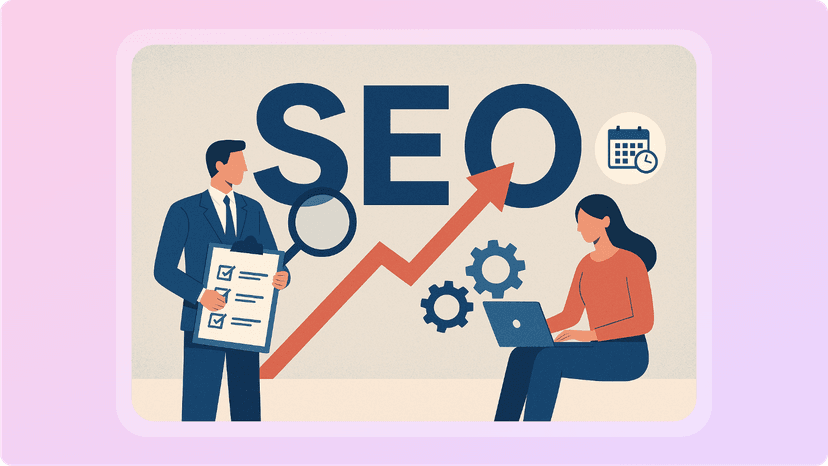
In the early 2000s, search engine optimization was often viewed as a once a year task conduct an audit, resolve a handful of issues, and move on. That approach worked when search engines evolved slowly, but today’s landscape is far more dynamic.
Algorithms change frequently, competitors adapt quickly, and user expectations continue to rise. Annual audits alone can’t keep pace. Monthly workflows emerged as a more agile, proactive solution, similar to how modern software teams iterate rapidly.
By treating SEO as a continuous process, businesses can anticipate shifts, protect rankings, and build sustainable growth rather than reacting after setbacks occur.
Core Elements of a Monthly SEO Checklist
A monthly SEO checklist keeps your site healthy and competitive. Start with keyword research to catch new trends and fill content gaps. Run technical audits to ensure speed, mobile usability, and indexing are on point.
Build links through outreach campaigns that strengthen authority. Finally, refresh and republish content to keep it relevant. These steps, repeated consistently, create momentum. Over time, they compound into stronger rankings, better visibility, and a steady stream of organic traffic.
A monthly SEO routine should cover all the essentials:
- Keyword research refresh: Identify new search trends and fill content gaps.
- Technical audits: Check site speed, mobile usability, and indexing issues.
- Link building: Outreach campaigns to earn high quality backlinks.
- Content updates: Refresh old posts, republish evergreen content, and optimize for new queries.
Monthly vs Quarterly vs Annual SEO: What’s Best?

Quarterly or annual SEO may seem easier, but it leaves gaps. Trends move fast, and competitors who update monthly gain the edge. While monthly SEO requires more effort, the ROI is higher. For industries like e commerce or content publishing, monthly updates are critical. In competitive niches, this rhythm is the difference between growth and stagnation.
SEO Frequency
| SEO Frequency | Pros | Cons | Best For |
|---|---|---|---|
| Monthly SEO | Higher ROI, quick adaptation to trends, stronger resilience | More effort required, continuous monitoring | E commerce, content publishing, competitive niches |
| Quarterly SEO | Less workload, structured review cycles | Slower response to trends, risk of competitors outpacing you | Moderately competitive industries, smaller businesses |
| Annual SEO | Minimal effort, long term planning | Missed opportunities, too slow for fast changing markets | Low competition niches, static sites |
Note: Different approaches have pros and cons, but monthly SEO consistently wins in competitive niches.
10 Essential Tools for Monthly SEO Success in 2026
Tools make monthly SEO manageable. AI powered optimizers suggest content improvements. Technical crawlers catch site errors before they hurt visibility. Analytics dashboards reveal performance trends. Together, these tools save time, provide clarity, and help you act on data instead of guesswork keeping your SEO strategy sharp and effective.
1. AI Directories
AI Directories streamlines the process of submitting your startup or AI tool to 100+ high quality directories, helping you build valuable backlinks, boost domain authority, and drive organic traffic. By leveraging curated lists of trusted platforms, it saves founders hours of manual work while ensuring consistent visibility across the web.
- Backlink generation: Manual submission to high Domain Rating (DR) directories to strengthen SEO authority.
- Traffic growth: Attracts early adopters and potential customers by increasing visibility in niche AI communities.
- Time efficiency: Saves 20 to 70+ hours of manual outreach with done for you directory submissions.
- Community credibility: Builds trust and recognition by listing your product alongside other innovative AI startups.
Example: Submitting an AI productivity app to AI Directories results in listings across 100+ platforms, boosting organic traffic and improving Google rankings within a month.
2. Screaming Frog SEO Spider
This crawler scans your website to uncover broken links, duplicate content, redirect chains, and missing metadata. It’s invaluable for monthly technical audits that keep your site healthy.
- Comprehensive crawling: Scans websites for broken links, duplicate content, and redirect chains.
- Metadata checks: Identifies missing titles, descriptions, and alt text.
- Practical example: Detecting 404 errors on product pages before a big seasonal sale.
Conclusion: Acts as your technical watchdog, preventing small issues from becoming major SEO setbacks.
Example: Identifying 404 errors on product pages before a seasonal sale, ensuring customers don’t hit dead ends.
Screaming Frog keeps your site technically sound and user friendly. It’s the watchdog that prevents small issues from becoming ranking disasters.
3. Google Search Console
Google’s free tool tracks indexing, search queries, and site health. It highlights visibility trends and keyword opportunities, helping you understand how Google sees your site.
Example: Spotting a drop in impressions for “eco friendly packaging” and adjusting content to regain visibility.
Search Console is your direct line to Google’s perspective. It ensures you’re never guessing about how your site performs in search.
4. Ahrefs
Ahrefs is a powerhouse for backlink analysis, keyword research, and competitor tracking. It reveals where your competitors earn links and how you can replicate or outperform them.
Example: Discovering that a rival’s blog gained backlinks from sustainability forums, then pitching your own eco content to those communities.
Ahrefs turns competitor insights into actionable strategies. It’s the tool that helps you build authority month after month.
5. SEMrush
SEMrush offers keyword tracking, site audits, and competitive insights in one dashboard. Monthly reports clarify traffic shifts and ranking changes, making it easy to adjust strategies.
Example: Using SEMrush to track keyword cannibalization across multiple blog posts and consolidating them into one stronger article.
SEMrush simplifies complex SEO data into clear next steps. It’s your all in one hub for staying ahead of the competition.
6. Moz Pro
Moz Pro provides keyword research, rank tracking, and its signature Domain Authority metric. It’s excellent for monitoring long term SEO progress and spotting ranking fluctuations.
Example: Tracking how your Domain Authority improves after a guest posting campaign on industry leading websites.
Moz Pro helps you measure growth with clarity. It’s the compass that shows whether your SEO efforts are paying off.
7. Google Analytics 4 (GA4)
GA4 delivers insights into user behavior, traffic sources, and conversions. It connects SEO efforts to business outcomes, showing which pages drive engagement.
- User insights: Tracks traffic sources, user behavior, and conversions.
- Business connection: Links SEO performance directly to revenue and engagement outcomes.
- Practical example: Discovering organic visitors convert better on your pricing page than paid traffic.
Conclusion: Bridges SEO with business impact, ensuring your efforts drive measurable results.
Example: Discovering that organic visitors to your “pricing” page convert at a higher rate than paid traffic, guiding budget allocation.
GA4 bridges the gap between SEO and business results. It ensures your strategy isn’t just driving traffic—it’s driving impact.
8. Yoast SEO
Yoast SEO is a WordPress plugin that ensures your content is optimized before publishing. It checks readability, keyword usage, and metadata.
Example: Publishing a blog post on “digital marketing trends” with Yoast’s green light for SEO and readability scores.
Yoast makes on page SEO simple and accessible. It’s the everyday assistant that keeps your content polished and search ready.
9. ContentKing
ContentKing monitors your site in real time, alerting you to SEO impacting changes like missing tags or broken links. It’s proactive rather than reactive.
Example: Receiving an alert when a developer accidentally removes meta descriptions from your product pages, fixing it before rankings drop.
ContentKing ensures you’re always one step ahead of potential issues. It’s the guardian that protects your SEO investment 24/7.
10. MarketMuse
MarketMuse uses AI to identify topic gaps and suggest new content ideas. It ensures your editorial calendar aligns with search demand and authority building.
- AI powered strategy: Identifies topic gaps and suggests new content ideas.
- Editorial planning: Aligns your publishing calendar with search demand.
- Practical example: Highlighting missing content on “AI in healthcare” and prompting a new guide.
Conclusion: Keeps your content future focused, helping you publish with authority and purpose.
Example: Highlighting that your site lacks content on “AI in healthcare,” prompting you to create a comprehensive guide that ranks well.
MarketMuse keeps your content strategy future focused. It’s the creative partner that helps you publish with purpose and authority.
Tool Summary Table
| Tool | Primary Function | Best Use Case | Example Application | Key Strength |
|---|---|---|---|---|
| Surfer SEO | AI-powered content optimization | Monthly content audits | Adjusting keyword density in a blog post about “best running shoes” | Aligns content with search intent |
| Screaming Frog | Technical site crawling | Detecting errors and metadata issues | Finding 404 errors on product pages before a seasonal sale | Comprehensive technical audits |
| Google Search Console | Indexing and visibility tracking | Monitoring keyword impressions | Spotting a drop in impressions for “eco friendly packaging” | Direct insights from Google |
| Ahrefs | Backlink and competitor analysis | Link building campaigns | Discovering competitor backlinks from sustainability forums | Powerful backlink intelligence |
| SEMrush | All in one SEO suite | Keyword tracking and site audits | Identifying keyword cannibalization across blog posts | Holistic SEO management |
| Moz Pro | Rank tracking & Domain Authority | Long term SEO progress | Tracking DA growth after guest posting campaigns | Trusted authority metrics |
| GA4 | User behavior & traffic analysis | Connecting SEO to conversions | Discovering organic visitors convert better on pricing pages | Business focused insights |
| Yoast SEO | On page SEO optimization | Content publishing on WordPress | Publishing a blog with green SEO readability scores | User friendly on page guidance |
| ContentKing | Real time SEO monitoring | Catching site changes instantly | Alerting when meta descriptions are removed | Proactive issue detection |
| MarketMuse | AI driven content strategy | Identifying topic gaps | Suggesting content on “AI in healthcare” | Strategic content planning |
Automation and AI in Monthly SEO
AI has transformed SEO from manual grind into smart workflows. Automated systems handle reporting, keyword clustering, and even content generation. This frees teams to focus on strategy.
- Automated workflows: Save time by scheduling audits and reports.
- Keyword clustering: AI groups related queries for smarter content planning.
- Choosing platforms: Pick automation tools that integrate with your CMS.
- Real world examples: Businesses using AI saw faster content production and improved rankings.
AI has changed the game.
Building a Monthly SEO Workflow for Your Business

Creating a workflow means breaking SEO into repeatable steps. Start with keyword research, then technical checks, followed by content updates. Assign clear roles so writers, developers, and marketers know their part.
Set measurable KPIs like traffic growth or conversions. Automate reporting to track progress. This structure keeps SEO consistent, manageable, and aligned with business goals.
Here’s how to set up a practical routine:
- Step by step process: Start with keyword research, then technical checks, then content updates.
- Assign roles: Writers, developers, and marketers each have clear responsibilities.
- Set goals: Define KPIs like traffic growth or conversion rates.
- Automate reporting: Use dashboards to track progress without manual effort.
Future Trends: Monthly SEO Beyond 2026
SEO will keep evolving. Voice search and conversational AI will reshape keyword strategies. Social commerce will merge with SEO, making platforms like TikTok part of the mix. Predictive analytics will forecast trends before they peak. And Web3 search engines may decentralize visibility. Monthly SEO prepares businesses to adapt quickly, ensuring they stay competitive in new landscapes.
Conclusion
Monthly SEO is more than a tactic, it's a discipline. It ensures your business stays visible, competitive, and adaptable in a rapidly changing digital world. From annual audits to today’s AI powered workflows, SEO has evolved into a monthly necessity.
For SMBs, e commerce stores, and content driven websites, the message is clear: consistent optimization drives growth, builds resilience, and keeps you ahead of competitors.
Your next step is simple: audit your current SEO practices, adopt a monthly workflow, and explore automation tools that align with your industry. The businesses that embrace monthly SEO today will be the ones leading tomorrow.